Emerging event trends for 2026
In the UK, live-event trends for 2025 were shaped by three intertwined forces: sustainability, smart technology, and immersive experiences. Organisers are no longer just talking about sustainability. The MIA’s sustainability guidance shows that UK venues and planners are actively cutting single-use waste, choosing reusable materials and are replacing printed collateral with digital alternatives to reduce their environmental impact.
the latest industry research
After doing a deep dive into the latest industry research and emerging patterns in events, it is clear that 2026 will push live events far beyond the traditional realms we have seen before.
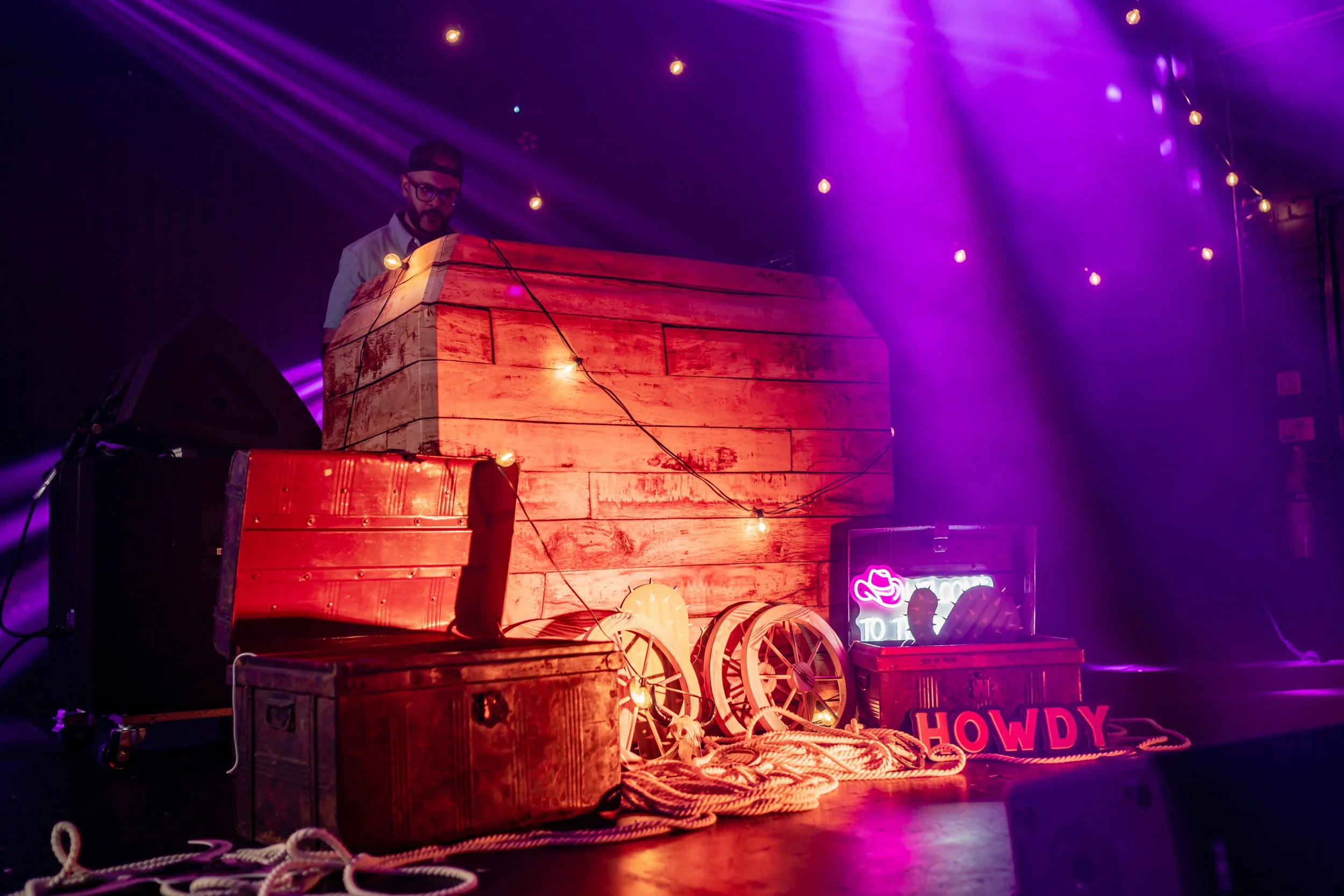
Pictured: Country Themed Event
Venues are responding too: more than 40 event spaces now report green initiatives such as zero-landfill policies and EV charging, according to the Venue Trend Report for 2025. Hybrid event formats are also firmly entrenched in UK event strategy, with planners embedding virtual engagement tools, real-time chat and interactive experiences for remote attendees. At the same time, immersive and personalised experiences are gaining ground, and thanks to advances in AI and AV tech, UK events are becoming more interactive, with smart lighting, dynamic soundscapes and bespoke attendee journeys powered by data.
A striking example of sustainability in action is Manchester’s Co-op Live arena, fully electric, that hosted a concert by Massive Attack which featured a 100 per cent plant-based menu - a real-world testament to how green values are being baked into live entertainment.
Turning to the student event scene in the UK, 2025 marked a noticeable shift in how universities and student unions approach social programming. Rather than leaning heavily on traditional booze-fuelled freshers’ weeks, many institutions offered more affordable and inclusive events that centre connection, community and mental health. And behind this trend is a broader institutional commitment - UK universities are dramatically increasing their mental health spending - in some cases by several hundred percent - reflecting how much value is now placed on welfare, not just entertainment. For instance, universities like Leicester are significantly increasing their wellbeing support, responding to rising demand from students: the institution recently boosted its services amid growing awareness of mental health issues in Gen Z.
This comes at a time when alcohol-focused activities are being questioned - some reports suggest students are pushing back against the assumption that drinking is synonymous with partying. Furthermore, with financial pressures on students intensifying, there’s a greater appetite for low-cost or free events that don’t compromise on fun but are more accessible and meaningful.
These trends that defined the 2025 event market will continue into 2026, but we can also expect to see more of the following:
📈 Immersive, multi-sensory experiences - events will engage all senses, using lighting, soundscapes, tactile installations, and maybe event scent to create moments attendees actually remember
🎯 Data-driven personalisation - from planning and programming to real-time content, experiences will be tailored to individual attendees, making each event feel unique
🎡 Festival-style flexibility - expect “choose-your-own” layouts with multiple activities running simultaneously - perfect for keeping diverse audiences engaged
♻️ Sustainability & Wellness - a trend picked up in our 2025 Freshers Report, look out for attraction to eco-friendly events, waste reduction and energy efficient venues, with wellness spaces central to event approaches
🤝 Community & Collaboration - another focus of our 2025 Freshers Report, we expect this trend to continue as attendees aren’t just spectators. Look out for more crowd-sourced content and co-branding in activations between the likes of student groups and venues
In addition to these, event-goers are also expected to stay highly cost conscious when planning which events to attend in 2026. The ongoing cost of living pressures mean that many people are being more selective, which has already contributed to a rise in major events failing to sell out. The UK Government’s recent decision to introduce legislation preventing the resale of concert tickets above their original face value has been widely welcomed, helping to protect fans from inflated secondary-market prices. With tighter budgets and greater scrutiny over value for money, “less is more” is likely to become a defining mindset, with audiences choosing fewer events but expecting higher quality experiences from the ones they commit to.
Takeaway: How venues and Students’ Union can run successful events in 2026?

To thrive in 2026, organisers should focus on what audiences value most: affordability, connection and quality.
Keep events low cost where possible, offer alcohol-optional experiences and design activities that genuinely help people meet and feel part of a community.
Make sustainability visible through reusable materials, reduced printing and greener catering.
Prioritise smaller but better, more impactful events with clear themes, and use quick feedback tools to shape what comes next.
Above all, be inclusive, transparent and thoughtful - students and attendees are choosing fewer events, so the ones they commit to need to feel meaningful, welcoming and worth the spend.
Pictured: Ella Henderson, RHSU Freshers Ball